

Opioid use disorder is treatable — and treatment saves lives.
Whether it started with a prescription or something else, opioid dependence is a medical condition, not a moral failing. Effective, life-saving treatment is available now.

What is Opioid Use Disorder?
Opioid use disorder (OUD) is a chronic medical condition involving the compulsive use of opioids — prescription painkillers, heroin or fentanyl — despite serious harm. Physical dependence can develop quickly, and withdrawal is powerful.
Wave provides medication-assisted treatment led by a board-certified addiction-medicine physician, including buprenorphine (Suboxone) and long-acting injectables like Sublocade and Vivitrol.
Opioid use disorder may be present when:
Emotional / Cognitive
- Intense cravings for opioids
- Preoccupation with the next dose
- Anxiety or dread about running out
Behavioral
- Taking more than prescribed or for longer
- Seeking opioids from multiple sources
- Using despite harm to health or relationships
Physical
- Tolerance — needing more for the same effect
- Withdrawal — aches, chills, nausea, restlessness
- Drowsiness alternating with agitation
In crisis? Opioid overdose is a medical emergency. Ask us about naloxone (Narcan), and call 911 immediately if someone is unresponsive or breathing slowly.
How it’s diagnosed at Wave
We evaluate your opioid use, overdose risk, medical history and any co-occurring mental health conditions in a confidential, non-judgmental setting. Many patients can begin medication treatment quickly.
Wave’s physician-led approach means buprenorphine or injectable treatment is started and monitored by an addiction-medicine specialist, with safety at the center.
Medication-assisted treatment is the gold standard for opioid use disorder. Wave offers:
Every plan is individualized — you’ll feel seen, not processed.
Medication Management
Careful prescribing, ongoing monitoring and genetic testing to match you with the right medication at the right dose.
Long-Acting Injectables
Extended-release injectable medications that replace a daily pill and support consistent, long-term stability.
Outpatient Detox
Physician-supervised outpatient withdrawal management, with medication support and close daily follow-up.
Supportive Psychotherapy
Talk-based support integrated with your medical care, focused on coping skills and steady, measurable progress.
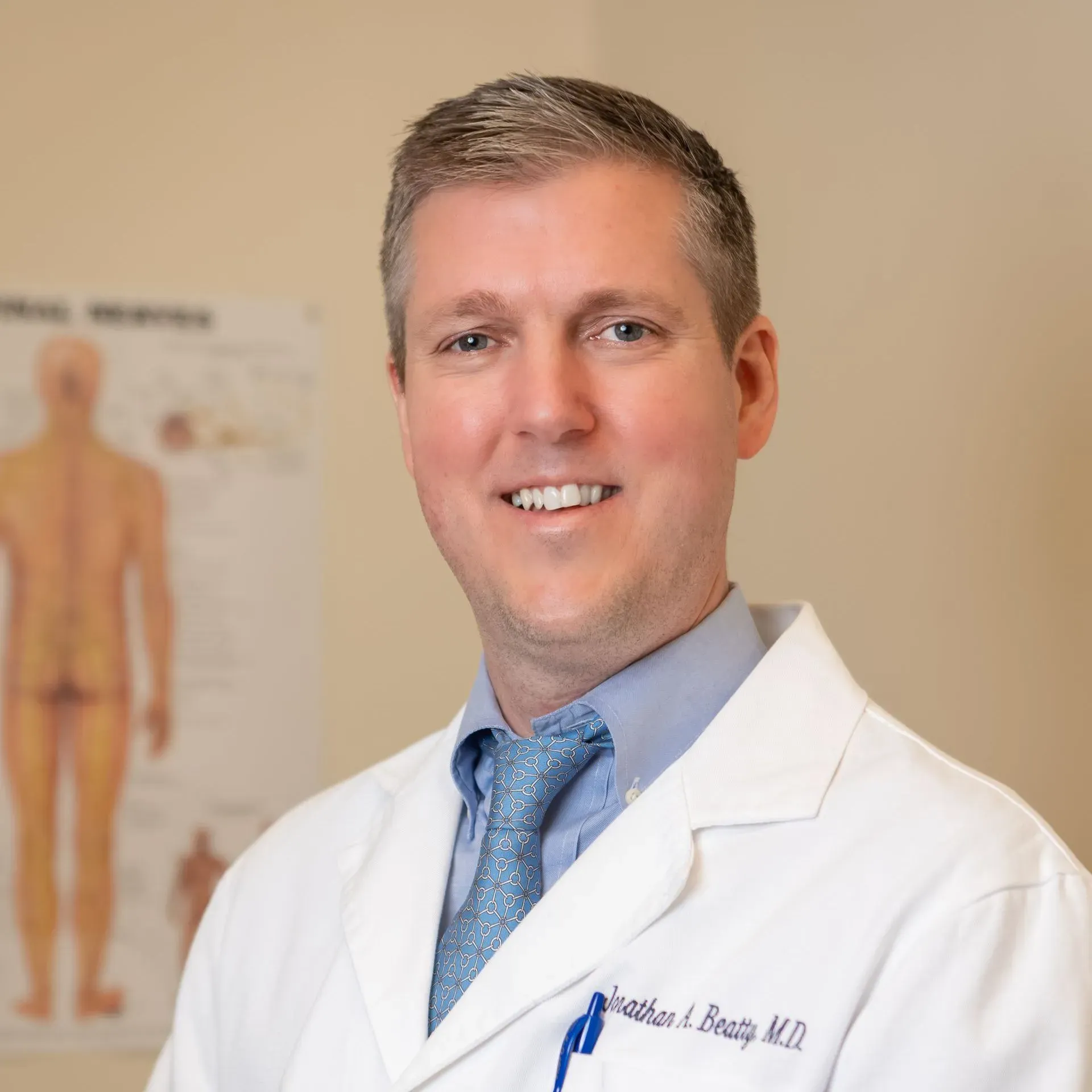
Care led by a triple board-certified physician
Wave Treatment Centers is led by Dr. Jonathan Beatty, a triple board-certified physician in psychiatry & neurology, addiction medicine and pain medicine, and a Fellow of the American Psychiatric Association. With more than 18 years of experience, he treats the cases other practices send onward — including complex and treatment-resistant presentations.
Because Wave combines everyday psychiatric care with advanced, interventional options under one roof, your plan can evolve as you do — from medication management to TMS, Spravato or ketamine — without starting over with a new provider.
Meet Dr. BeattyYour first appointment
Your first visit is a thorough evaluation. You’ll find a welcoming environment where our highly trained staff work to understand your history, your symptoms, and what you’re hoping to change.
While an evaluation is not a guarantee of a prescription, if medication is deemed appropriate, we’ll work closely with you to ensure you understand the risks and benefits. Together we’ll outline a personalized plan and the next steps that fit your life.
Most new patients are seen within one to two weeks — and care is available both in person and through secure, HIPAA-compliant telemedicine across Pennsylvania, Florida and New Jersey.
Opioid Use Disorder FAQ
Isn’t medication-assisted treatment (MAT) just replacing one drug with another?
No. Medication-assisted treatment (MAT) uses FDA-approved medications such as buprenorphine or naltrexone to stabilize brain chemistry, reduce withdrawal symptoms, and significantly decrease cravings.
These medications do not produce the same cycle of intoxication and withdrawal seen with opioids. Instead, they are used as part of a structured, medically supervised treatment plan to support recovery and reduce relapse risk.
What medications are used to treat opioid use disorder?
FDA-approved medications for opioid use disorder include:
- Buprenorphine (including Suboxone® and Sublocade®)
- Methadone (in specialized programs)
- Naltrexone (including Vivitrol® injection)
Medication selection depends on your clinical history, current opioid use, and treatment goals.
What is Suboxone®?
Suboxone® is a daily medication that contains buprenorphine and naloxone. It helps reduce cravings and withdrawal symptoms while blocking the effects of other opioids.
It is commonly used as a first-line treatment for opioid use disorder in outpatient settings.
What is Sublocade®?
Sublocade® is a once-monthly extended-release buprenorphine injection. It provides steady medication levels throughout the month, eliminating the need for daily dosing.
This can improve adherence and reduce the risk of missed doses or relapse.
What is Vivitrol® and how does it work?
Vivitrol® is a once-monthly extended-release naltrexone injection used to treat opioid use disorder after detoxification.
It works by blocking opioid receptors in the brain, preventing opioids from producing euphoric effects and helping reduce the risk of relapse.
Unlike buprenorphine-based treatments, Vivitrol® is non-opioid and requires complete detoxification before starting.
Which medication is right for me—Suboxone, Sublocade, or Vivitrol?
There is no one-size-fits-all approach. Medication selection depends on factors such as:
- current opioid use
- prior treatment history
- medical conditions
- recovery goals
- ability to maintain abstinence prior to treatment (for Vivitrol)
A comprehensive psychiatric and addiction evaluation is used to determine the most appropriate treatment plan.
How quickly can I be seen for treatment?
We prioritize timely access to care for opioid use disorder. In many cases, new patients can be seen quickly, as early treatment initiation is an important factor in improving outcomes and reducing risk.
Do I need to be in withdrawal before starting treatment?
It depends on the medication being used.
Buprenorphine-based treatments (such as Suboxone® or Sublocade®) are typically started once mild withdrawal has begun. Vivitrol® requires full detoxification prior to initiation.
Your clinician will guide you safely through this process.
Can I work or function normally while on MAT?
Yes. Most patients are able to continue working, attending school, and maintaining daily responsibilities while on medication-assisted treatment.
The goal of MAT is to stabilize symptoms so that normal functioning becomes possible again.
How long do people stay on medication for opioid use disorder?
Duration varies widely. Some patients benefit from short-term stabilization, while others may continue medication long-term as part of their recovery plan.
Treatment length is individualized and guided by clinical response and patient goals.
Ready when you are.
Reaching out takes courage. Your conversation with us is confidential, compassionate, and pressure-free — schedule whenever you’re ready.