

Stimulant use disorder is treatable with the right support.
Cocaine, methamphetamine and misused prescription stimulants can be powerfully habit-forming. There’s no shame in needing help to stop — and effective, compassionate care exists.

What is Stimulant Use Disorder?
Stimulant use disorder involves compulsive use of stimulants — cocaine, methamphetamine, or misused prescription medications like Adderall — despite harmful consequences. Stimulants strongly activate the brain’s reward system, making cravings intense.
While there’s no single FDA-approved “anti-stimulant” medication, Wave treats stimulant use disorder with evidence-based supportive care, treatment of co-occurring conditions, and close physician oversight.
Stimulant use disorder may be present when:
Emotional / Cognitive
- Intense cravings and preoccupation
- Mood crashes, irritability or paranoia
- Using to boost energy, focus or confidence
Behavioral
- Bingeing followed by exhaustion
- Unsuccessful attempts to quit
- Using despite harm to health or relationships
Physical
- Sleep loss followed by heavy fatigue
- Appetite and weight changes
- Rapid heartbeat, jitteriness or agitation
How it’s diagnosed at Wave
We evaluate your use pattern, physical and mental health, and any co-occurring conditions such as depression, anxiety or ADHD that may be feeding stimulant use. The plan addresses all of them together.
Because untreated ADHD sometimes drives stimulant misuse, accurate diagnosis is part of building a plan that actually holds.
Wave treats stimulant use disorder with a whole-person, physician-led approach:
Every plan is individualized — you’ll feel seen, not processed.
Supportive Psychotherapy
Talk-based support integrated with your medical care, focused on coping skills and steady, measurable progress.
Medication Management
Careful prescribing, ongoing monitoring and genetic testing to match you with the right medication at the right dose.
Interventional Psychiatry
Advanced, procedure-based care — TMS, Spravato and ketamine — for symptoms that medication alone hasn’t resolved.
Outpatient Detox
Physician-supervised outpatient withdrawal management, with medication support and close daily follow-up.
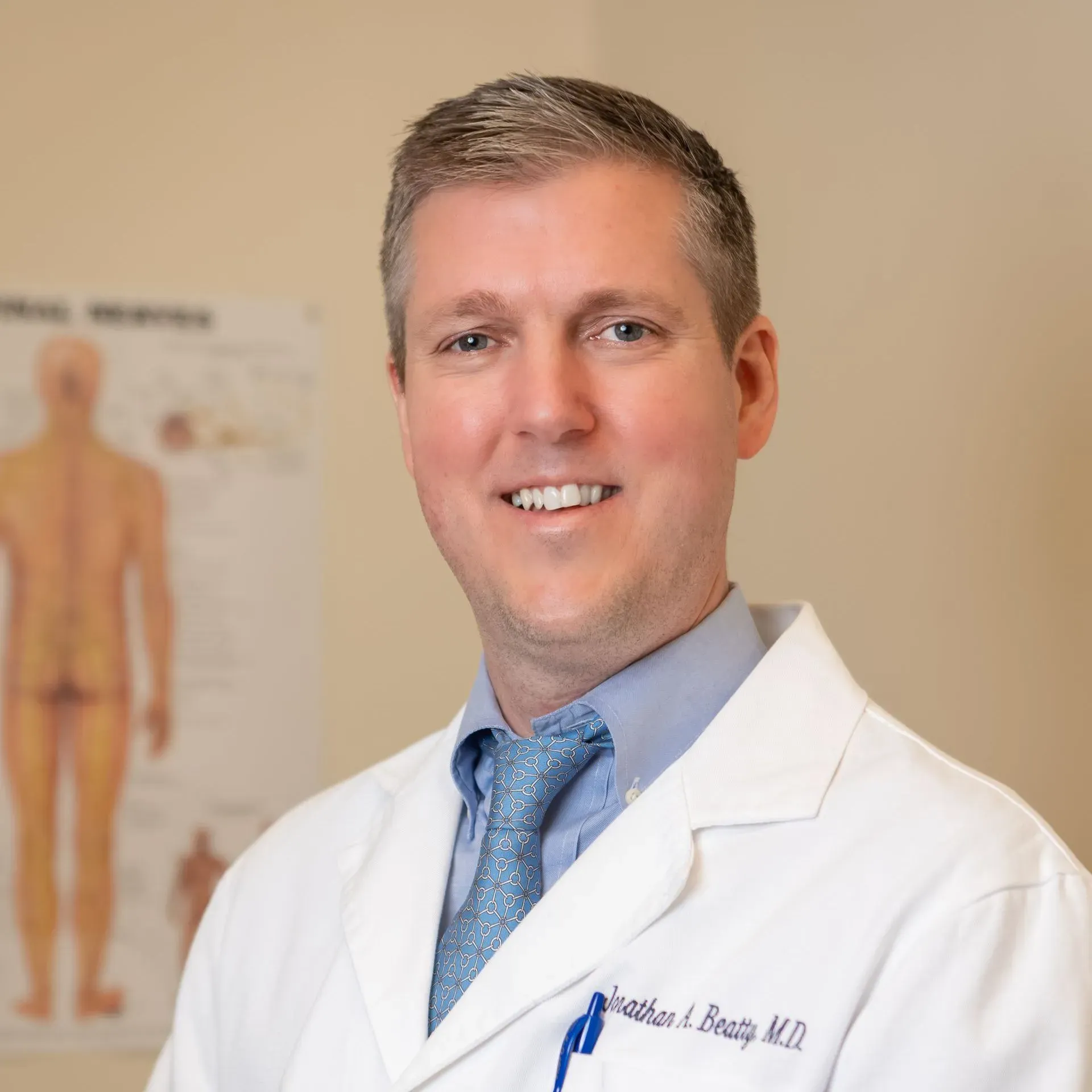
Care led by a triple board-certified physician
Wave Treatment Centers is led by Dr. Jonathan Beatty, a triple board-certified physician in psychiatry & neurology, addiction medicine and pain medicine, and a Fellow of the American Psychiatric Association. With more than 18 years of experience, he treats the cases other practices send onward — including complex and treatment-resistant presentations.
Because Wave combines everyday psychiatric care with advanced, interventional options under one roof, your plan can evolve as you do — from medication management to TMS, Spravato or ketamine — without starting over with a new provider.
Meet Dr. BeattyYour first appointment
Your first visit is a thorough evaluation. You’ll find a welcoming environment where our highly trained staff work to understand your history, your symptoms, and what you’re hoping to change.
While an evaluation is not a guarantee of a prescription, if medication is deemed appropriate, we’ll work closely with you to ensure you understand the risks and benefits. Together we’ll outline a personalized plan and the next steps that fit your life.
Most new patients are seen within one to two weeks — and care is available both in person and through secure, HIPAA-compliant telemedicine across Pennsylvania, Florida and New Jersey.
Stimulant Use Disorder FAQ
Is there a medication for stimulant addiction?
There is currently no FDA-approved medication specifically for stimulant use disorder.
However, treatment can still be highly effective. We focus on managing withdrawal symptoms, reducing cravings indirectly, and treating co-occurring psychiatric conditions such as depression, anxiety, or ADHD when present.
A comprehensive treatment plan combining psychiatric care, behavioral support, and medical stabilization can significantly improve outcomes.
What does stimulant withdrawal feel like?
Stimulant withdrawal commonly includes:
- Severe fatigue or low energy
- Depressed mood
- Increased sleep or sleep disruption
- Increased appetite
- Strong cravings
Symptoms can feel intense in the short term but typically improve over time with appropriate clinical support and stabilization.
Could my stimulant use be related to ADHD?
In some cases, yes. Individuals with untreated or undertreated ADHD may be at higher risk of stimulant misuse or self-medication.
A careful diagnostic evaluation is important, as properly identifying and treating ADHD—when present—can be an important part of recovery and long-term stability.
How long does stimulant withdrawal last?
Withdrawal symptoms typically begin within hours to days after stopping use and can last from several days to a few weeks.
Cravings and mood-related symptoms may persist longer, depending on duration and severity of use, as well as underlying mental health conditions.
Can stimulant use disorder be treated outpatient?
Yes. Many individuals can be safely and effectively treated in an outpatient setting.
The appropriate level of care depends on severity of use, withdrawal risk, and co-occurring psychiatric conditions. A clinical evaluation helps determine the safest treatment plan.
What treatments are used for stimulant use disorder?
Treatment is individualized and may include:
- Psychiatric evaluation and medication management for co-occurring conditions
- Behavioral therapies and structured counseling
- Support for sleep, mood, and anxiety stabilization
- Treatment of ADHD if clinically indicated
- Close clinical monitoring during early recovery
There is no single standardized medication protocol, so care is tailored to each individual.
Will cravings eventually go away?
Cravings typically decrease over time, especially with sustained abstinence and appropriate treatment of underlying psychiatric conditions.
Relapse prevention strategies and ongoing support play an important role in long-term recovery.
Ready when you are.
Reaching out takes courage. Your conversation with us is confidential, compassionate, and pressure-free — schedule whenever you’re ready.